Explore SEAT, an unmissable industrial landmark in Barcelona. From the brutalist design of its plants to the rhythm of its production and the legacy that shaped the urban fabric, from its inception to its current footprint.
The Planns tip
Grab a coffee at the Castell cafeteria to review the dossier before you begin.
PRACTICAL INFO
Every day: from 10:00 h to 20:00 h · General admission: €12 Reduced admission: €8 Children from 8 to 12 years old. Unemployed people or holders of the Reduced Pink Card. People holding a recognized disability accreditation card. Free admission Every Sunday from 3:00 PM First Sunday of the month Children under 8 years old. Holders of the Free Pink Card. ICOM members (International Council of Museums), duly accredited. Members of the Associació de Museòlegs de Catalunya, duly accredited. Professional tour guides in the exercise of their work. Teachers of regulated education accredited by the educational center's management. People holding a recognized disability accreditation card and those with the Metropolitan Pass for accompanying a person with a disability, or companions of people with a recognized disability accreditation card who require the assistance of a third party. Journalists, duly accredited. Adult companions of children benefiting from the “Quadern Cultura”. One adult per child. Holders of the BCN card. People registered in the “Gaudir més Barcelona” registry. Members of entities based at Castell de Montjuïc who duly accredit this condition. February 12th (Santa Eulàlia) September 24th (la Mercè) — Admission to the Castle also includes access to temporary and permanent exhibitions. Exhibitions and educational activities will end half an hour before the venue closes. from 10:00 h to 18:00 h
THE VENUE
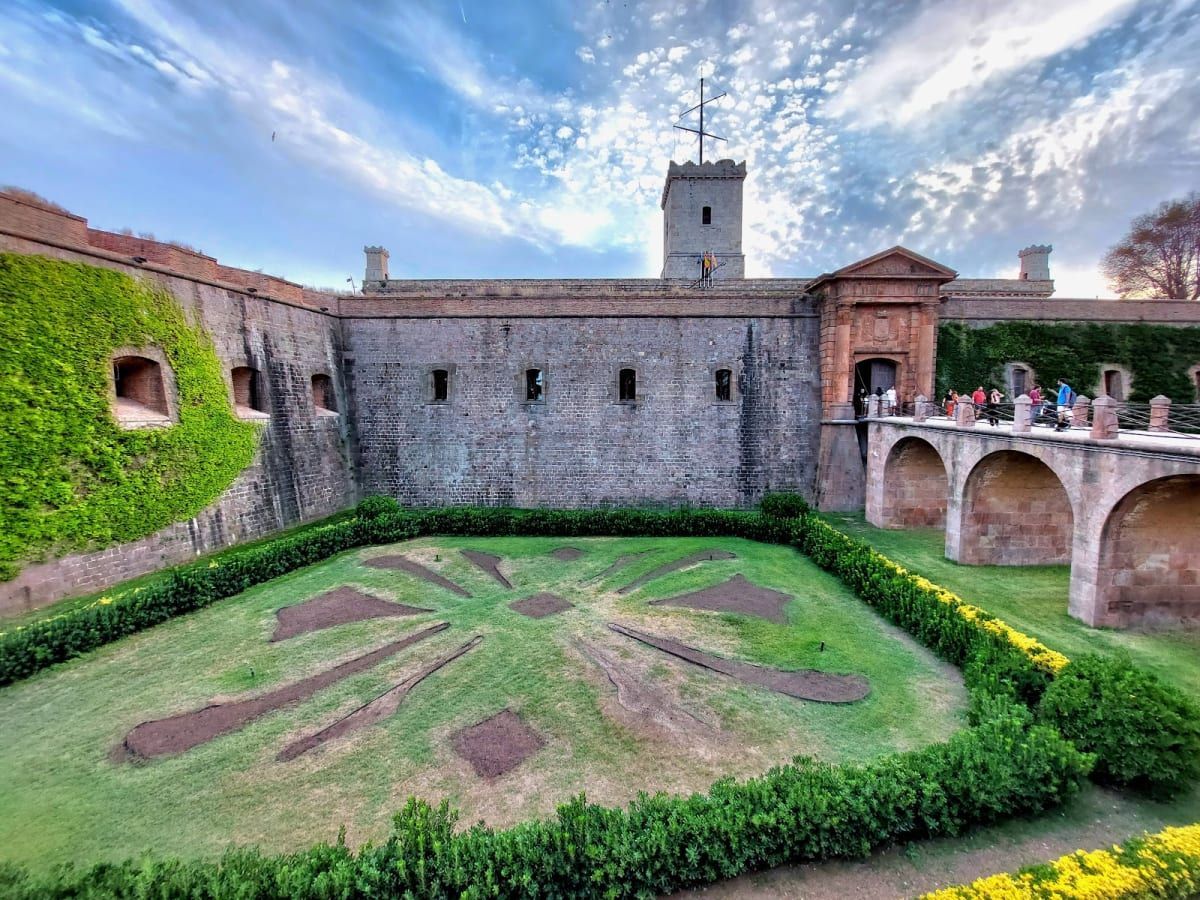
Perched atop Montjuïc, this fortress began as a watchtower in 1640, during the Guerra dels Segadors, evolving into a defensive outpost. Its current star-shaped, bastioned structure is the result of 18th-century modernization by Juan Martín Cermeño. Beyond its military engineering, the Castell has witnessed pivotal historical moments, controlling the city and serving as a political prison. Today, municipally managed, its walls host exhibitions and cultural activities, transforming it into a space of memory and offering elevated views of the urban grid and the Mediterranean.
Castell de Montjuïc
Castell de Montjuïc: Military architecture, dormant memory.
Get a free organizer profile: track real interest in your event, keep every future edition linked, and appear when people plan around it on PLANNS.